LTK
- 3.0
- Rating
- 1.00M
- Installs
- Free
- Price

 Analysis by App-foxy
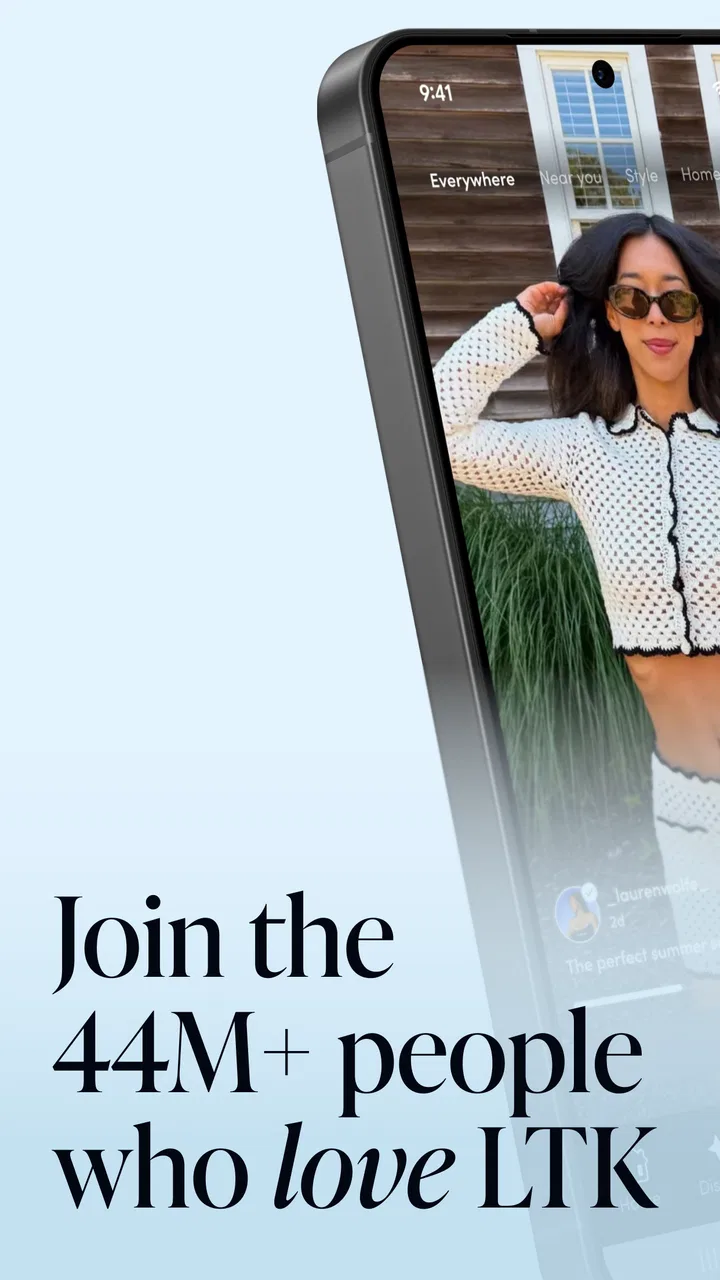
I approached LTK as a shopping app for people who discover outfits through creators rather than beginning with a product search. Its central appeal is simple: instead of opening a retailer, typing a vague phrase, and sorting through endless results, I can browse creator-led looks and follow the pieces that make an outfit work. That makes it feel closer to a visual shopping journal than a conventional store app.
That difference matters in everyday use. When I already know the exact item I want, a retailer’s own app is usually faster. When I want ideas for a weekend outfit, a holiday wardrobe, or a room refresh, LTK gives me a more natural starting point. The app is free, aimed at Everyone, and developed by rewardStyle. It has grown beyond a small niche, with over one million installs, although its average score of around 3.1 shows that the experience is not equally convincing for everyone.
How LTK feels when shopping depends on your connection
The strongest parts of the experience rely on a steady connection because the app’s value comes from loading visual creator content and moving from inspiration to shopping details. A good network makes the browsing loop feel immediate: I see a look, inspect the pieces, compare possibilities, and decide whether something deserves a closer look. When the connection slows down, that loop loses its rhythm quickly.
You May Also Like

 Blood Strike: 2.5 Anniversary
Blood Strike’s Loadouts Turn Every Drop Into a Tactical Gamble
A close look at Blood Strike’s custom loadouts: how fast access to signature weapons reshapes its battle royale rhythm, rewards preparation, and narrows the gap between fights.

 Pandora - Music & Podcasts
Pandora’s Music Is Easy to Start, but Harder to Recover
Pandora’s strength is its low-effort path from a seed to a station. Its weak spot is how much confidence it asks you to place in connection, setup, and quiet recovery.

 8 Ball Pool
 Is Built on Rivalries, Rematches, and Routine
A close look at the rivalries, rematches, shared routines, and unanswered safety questions that turn a quick pool match into a persistent mobile community.

 Samsung Music
’s Quiet Strength Is Playing What You Already Own
Its reach comes less from spectacle than from dependable access to a personal library. That simplicity is both the app’s strongest retention engine and its ceiling.

 AccuWeather: Weather Radar
AccuWeather Review: A Quick, Clear Forecast for Everyday Decisions
For everyday plans, the best forecast is the one you can understand quickly. AccuWeather makes rain timing, radar, and local conditions easy to act on, with a few trade-offs.

 Hill Climb Racing
Why Hill Climb Racing Still Turns Crashes Into One More Run
A tiny car, a bumpy hill and one more upgrade: Hill Climb Racing keeps resurfacing because its simple chaos makes every near-miss feel personal.
More From Our News Desk



This is not just a technical inconvenience. LTK is built around visual discovery, so an image that takes too long to appear removes much of the reason to browse. A product-search app can still be useful while text loads first, but a creator-led feed depends much more heavily on images and responsive transitions. I found that the app makes the most sense when I use it somewhere with reliable mobile data or Wi-Fi, rather than treating it as a dependable companion for every weak-signal journey.
That network dependence also changes how I make decisions. I am less likely to open it for a quick, urgent purchase when I am standing in a shop or rushing between appointments. I am more likely to use it when I have a few uninterrupted minutes to explore. The app rewards a relaxed browsing mindset, while a traditional retailer app is generally better when I have already chosen a brand, size, or product.
Creator discovery is the real shopping workflow
LTK works best when I begin with a person’s style rather than a product name. A creator’s complete look can answer questions that a product page cannot: what the item looks like with other pieces, whether the proportions feel casual or polished, and how a basic item can be combined with accessories. That context is the app’s most useful advantage over ordinary shopping search.
A practical way to use it is to save the app for planning rather than impulse buying. If I need clothes for a trip, I can browse several looks first, note repeated ideas, and then narrow the search to pieces that fit what I already own. This avoids one of the common traps of creator shopping: buying an attractive item simply because it appears in a compelling image, without considering whether it works with anything in my wardrobe.
The same approach works for home inspiration. A room or styling post can help me identify a color combination, texture, or arrangement I would not have searched for directly. I would still check the retailer, measurements, materials, and return conditions before buying. LTK is useful for finding the direction; it should not replace the final product check.
Using it in real mobile situations
On a phone, the app is particularly comfortable for short discovery sessions. I can browse while having coffee, collect ideas before going shopping, or look through outfit combinations during a quiet break. The format suits one-handed, visual browsing better than a desktop-style catalogue full of filters and dense specifications.
There is a trade-off, though. Small-screen browsing encourages fast reactions. A look can feel persuasive before I have considered price, fit, availability, or whether the item is genuinely different from something I already own. I recommend pausing before leaving the app to buy. Open the product destination, check the important details there, and compare the item with at least one alternative. That extra step turns LTK from an inspiration feed into a more responsible shopping tool.
It is also worth deciding what kind of shopper you are before installing it. If you enjoy seeing how people style clothing and accessories, the app can make browsing feel personal. If you dislike influencer-led discovery, prefer a strict list of specifications, or want every result organized by technical filters, the format may feel distracting rather than helpful.
What happens when loading fails
Connectivity problems are most noticeable when moving between inspiration and shopping information. A feed may feel usable until I select a look, at which point a delayed page or incomplete transition interrupts the decision. In that situation, I avoid repeatedly tapping the same control because it can make it unclear whether the app is still working or whether I have triggered the action more than once.
My preferred recovery routine is simple: wait briefly, return to the previous screen, and retry once on a stronger connection. If the same item remains difficult to open, I search for the creator or product through the relevant retailer instead of wasting time refreshing. This is one area where LTK is less self-contained than a retailer’s application. The retailer is usually the better place to finish a purchase, while LTK is the better place to discover what I might want.
I also treat the app as a discovery layer rather than a permanent record of every shopping decision. If I see something genuinely useful, I record the creator, item name, or visual idea in my own notes before leaving the session. That habit reduces frustration if I later cannot immediately recreate the same browsing path. It is a small but important distinction: inspiration is easy to lose, so worthwhile finds should be captured deliberately.
Keeping mobile data under control
Because the experience is visual, I would not use it casually for long periods on a limited data plan without paying attention to consumption. Browsing images continuously can be more demanding than reading product descriptions, especially when I am scrolling without a clear goal. I get more value by opening the app with a specific task, such as finding travel outfits or comparing ideas for a particular room.
A focused session is also better for shopping discipline. I can choose a theme, explore a manageable number of looks, and stop once I have enough ideas. This prevents the endless-scroll effect in which every new post creates another possible purchase. The app’s strength is variety, but variety can become noise when I do not set a purpose before opening it.
When I am on a limited connection, I prefer to browse briefly and postpone detailed product exploration until I have a more dependable network. I also avoid assuming that a product page will behave exactly like the visual post that led me there. The creator content is the starting point; the final retailer page is where I would verify the practical information before spending money.
Useful habits for getting more from LTK
My first tip is to separate inspiration from commitment. I can enjoy a look immediately without deciding that every visible item belongs in my basket. I ask myself which single element makes the outfit appealing: the silhouette, the color, the layering, or the accessory. Often I can reproduce the idea with something I already own.
My second tip is to compare creator styling with ordinary search results. If LTK shows me a jacket in a polished outfit, I check how it looks in simpler combinations before deciding. This reveals whether I like the item itself or only the complete presentation. That distinction is especially useful for shoppers who are easily influenced by coordinated photography.
My third tip is to use the app for narrowing taste, not just collecting links. After browsing, I write down recurring preferences such as neutral colors, relaxed cuts, or compact storage ideas. That turns several disconnected posts into a personal shopping brief. The next time I use LTK, I can judge new discoveries against that brief instead of starting from zero.
A fourth useful habit is to verify the destination independently when a purchase matters. I check the size information, delivery details, return rules, and current availability on the retailer’s side. LTK can show me why an item looks appealing, but those practical details determine whether the purchase is actually suitable.
Where it stands beside familiar shopping apps
Compared with a retailer’s own app, LTK is broader and more inspirational but less direct. A retailer app usually wins for stock checks, account history, delivery tracking, and completing a known purchase. LTK wins earlier in the process, when I am still deciding what style I want or which creators have useful ideas.
Compared with a general marketplace, it feels more curated around personal presentation. A marketplace may offer more categories and a wider range of sellers, but its results can be overwhelming. LTK gives the browsing experience a human point of view. The downside is that the creator’s taste influences what I see, so it is not the best tool for neutral comparison.
Compared with social media, the shopping purpose is clearer. I am not using it primarily for conversation or general entertainment; I am looking for looks and products. Still, the boundary between inspiration and promotion can feel close. I keep my expectations realistic and treat every post as a suggestion rather than an objective recommendation.
Who should use it, and who should skip it
LTK is a good fit for someone who shops visually, follows creators for style ideas, or often struggles to translate a vague preference into a concrete outfit or room concept. It is also useful for people who want to discover combinations rather than search for isolated products. The free price makes it easy to test without committing to a subscription.
I would be more cautious if you need fast, technical shopping information. Someone comparing exact specifications, hunting for the lowest price, checking local stock, or managing frequent orders will probably be happier starting with a retailer or marketplace. The same applies to anyone who finds influencer content tiring or prefers to make decisions without visual persuasion.
The app’s age rating is Everyone, so its presentation is broadly accessible. That does not mean every purchase idea will suit every budget or lifestyle. I would still use personal limits and retailer checks, particularly when attractive styling makes an ordinary item feel unusually urgent.
Version, maturity, and overall impression
LTK has been available since November 13, 2017, and the current Android release is version 6.5.0.14747 with a minimum operating system requirement of Android 9. That gives the app a reasonably established place in the shopping category, while the current release requirement is worth checking against an older phone before installation.
The public response is mixed: the app has around 5.5 thousand ratings and roughly 1.6 thousand written reviews, with an average of about 3.1. I read that score as a reminder to keep expectations specific. LTK is not trying to replace every shopping tool. Its success depends on whether creator-led visual discovery matches the way I like to shop.
My final view is positive but selective. I would recommend LTK to a friend who wants outfit or home inspiration and is comfortable moving from a visual post to a separate retailer page for the serious checks. I would not recommend making it the only shopping app, especially for urgent purchases or weak-network situations. Its best role is a connected source of ideas, not a substitute for careful buying.
When the connection is reliable, the app can shorten the distance between “I like this style” and “I know what to look for.” When the network is poor, or when I need precise product comparison, its limitations become clear. Used with a purpose, a pause before purchasing, and a final check outside the feed, LTK is a useful free addition to a shopping routine rather than an all-purpose replacement for the usual alternatives.
FAQs for LTK
01What is LTK and what can I do with it?
LTK (LIKEtoKNOW.it) is a shopping app that allows users to discover and shop from influencer-curated collections. It connects users with fashion, beauty, and lifestyle content shared by top influencers. You can explore various looks, get style inspiration, and purchase items directly through the app, making it a convenient and engaging shopping experience.
02How does LTK integrate with social media platforms?
LTK seamlessly integrates with social media by allowing influencers to share shoppable content directly on platforms like Instagram. When influencers post about products, users can simply click to see details and purchase options within the LTK app. This integration makes it easy for users to transition from browsing social media to shopping with just a few taps.
03Is LTK available on both Android and iOS?
Yes, LTK is available for download on both Android and iOS devices. Users can find the app on the Google Play Store and the Apple App Store. This cross-platform availability ensures that a wide range of users can access and enjoy the app's features regardless of their device.
04Are there any costs associated with using LTK?
LTK is free to download and use. However, while browsing and shopping through the app incur no costs, users will obviously need to pay for any products they choose to purchase. Some items may include additional costs like shipping or taxes, which are determined by the retailer.
05How secure is my personal information on LTK?
LTK takes user privacy seriously and employs various security measures to protect personal information. The app uses encryption to safeguard data, and it adheres to privacy regulations. Users are encouraged to review the privacy policy and terms of service to understand how their data is handled and ensure they are comfortable with the app's practices.
Pros
- User-friendly interface
- easy to navigate.
- Wide variety of fashion and lifestyle content.
- Seamless integration with social media platforms.
- Regular updates with new features and content.
- Personalized recommendations enhance user experience.
Cons
- Limited to fashion and lifestyle categories.
- Occasional app crashes reported by users.
- Requires stable internet connection for optimal use.
- Some features locked behind paywall.
- Notifications can be frequent and distracting.

LTK
Gallery